Trial Shows Safety and Efficacy of Dengue Vaccine
The dengue vaccine, TAK-003, might just be the answer to curb the incidence of dengue in the Philippines, especially among the vulnerable.
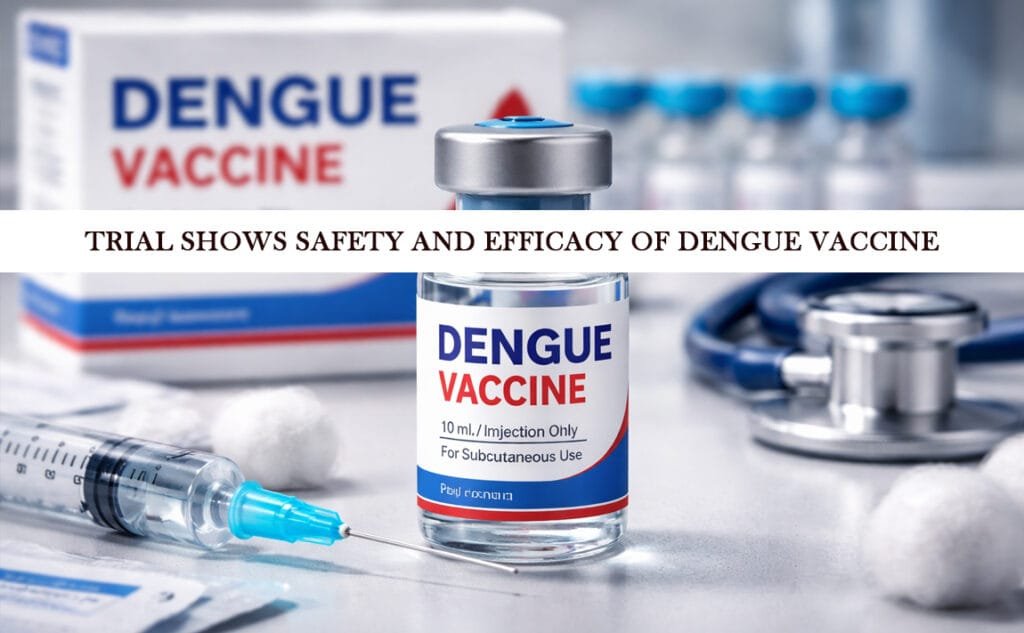
The dengue vaccine, TAK-003, might just be the answer to curb the incidence of dengue in the Philippines, especially among the vulnerable.
An innovative, second-generation vaccine against dengue has been shown to provide long-term protection against the disease, demonstrating that it can help address a continuing public health challenge that results in thousands of global deaths. With this virus, transmitted by mosquitoes, continuing to be a threat to Filipinos, the dengue vaccine might just be the answer to curb its incidence, especially among the vulnerable.
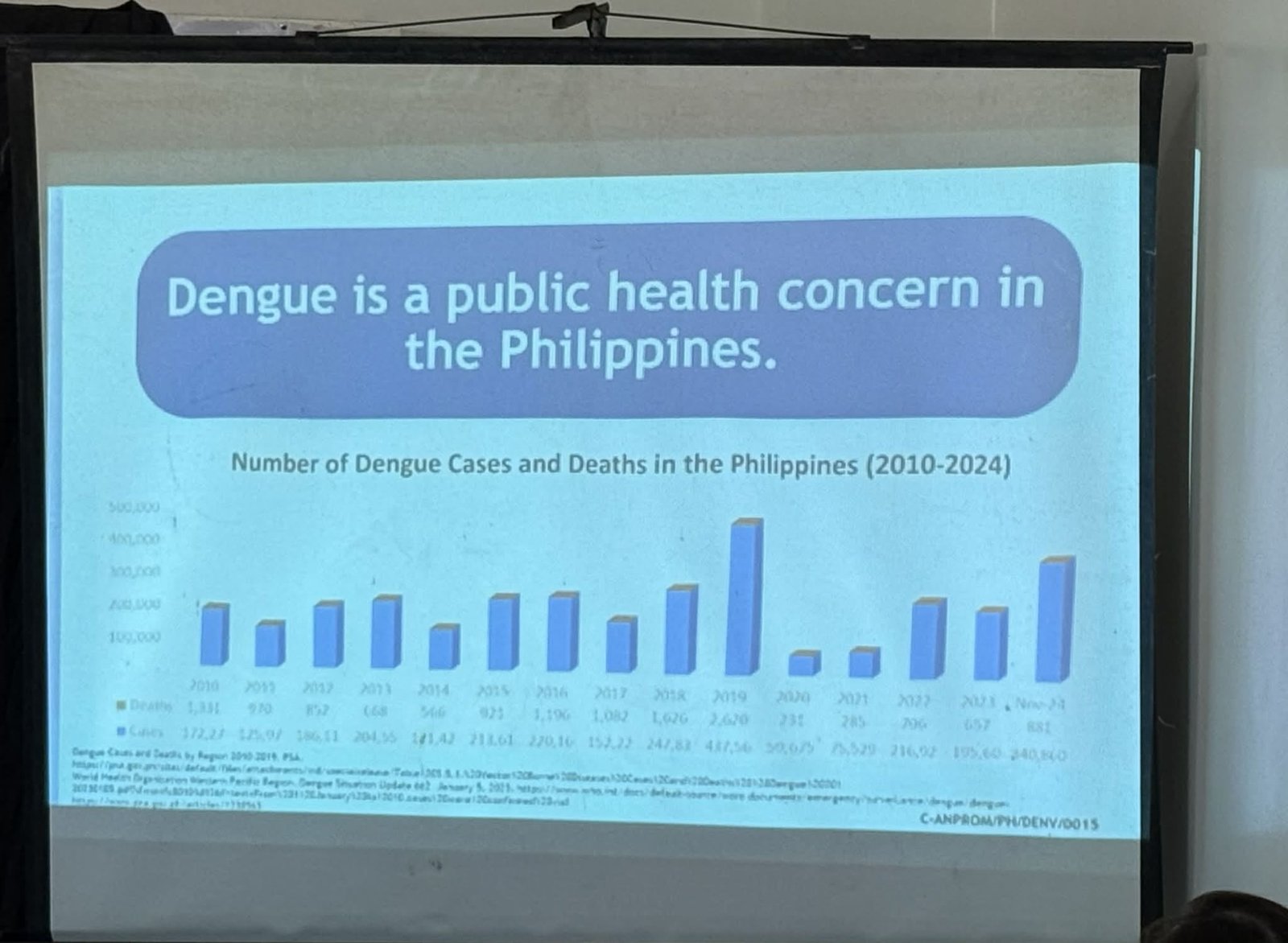
TAK-003: Second-Generation Dengue Vaccine
In response to the continuing burden of dengue, new preventive tools are evaluated globally. TAK-003, developed by the Japanese pharmaceutical company Takeda, has demonstrated efficacy and safety against dengue in the pivotal Phase 3 Tetravalent Immunization against Dengue Efficacy Study (TIDES) trial. Recent data from the trial collected over a period of seven years showed that TAK-003 provides sustained protection against virologically confirmed dengue and hospitalization, with no important safety signals. The TIDES trial involved over 20,000 children and adolescents living in dengue-endemic areas, including the Philippines.
At present, TAK-003 is under review with the Food and Drug Administration (FDA) of the Philippines.
While the health community awaits the FDA’s decision on TAK-003, a Bacolod City health official reminded the public that dengue continues to pose a significant threat to people’s health, and that the public should not let their guard down.
Speaking at a media roundtable organized by the Bacolod City Government, Union of Local Authorities of the Philippines (ULAP), the Philippine Pediatric Society (PPS), and Takeda Healthcare Philippines, Dr. Grace Tan, head of the City Health Office Environment Sanitation Division, said that people and communities must continue to take the necessary precautions to prevent the spread of dengue. Although fewer cases were logged in the city in 2025, it remains important to take the necessary steps to prevent the possible spread of the disease.
The Situation in Bacolod City
Recent data from the Department of Health (DoH) Bacolod City Epidemiology and Surveillance Unit noted that the city logged a total of 1,040 cases, covering January 5, 2025 to January 3, 2026—60.4 percent lower than the 2,624 cases reported in the same period of the previous year. Despite the reduction in reported cases, dengue-related deaths continued to be recorded in Bacolod City, underscoring that severe dengue and fatal outcomes remain possible even during periods of lower transmission.
“While reported dengue cases this year are significantly lower than last year, that doesn’t mean we should be complacent and assume that it is no longer a problem,” said Dr. Tan. “Our city has experienced dengue surges before, and we should do our best to keep it from happening again. In many other parts of the country, dengue continues to pose a considerable public health challenge, and we need to do our part in preventing the spread of the disease.”

Joining Dr. Tan in the discussion were pediatricians Dr. Rachelle Vicencio and Dr. Alexis Milan of PPS, who emphasized that dengue remains a leading cause of hospitalization among children in endemic areas like the Philippines. They warned that misinformation and reliance on unproven remedies can delay proper medical care, increasing the risk of complications and death, particularly among young patients.
Spreading Correct Information
The media roundtable was part of a much larger dengue advocacy led by the city government, ULAP, PPS, and Takeda to raise awareness on important health issues, particularly dengue. The advocacy complements awareness campaigns and vector control strategies led by the DoH, particularly the Alas Kwatro Kontra Mosquito initiative. Under this campaign, families and communities are encouraged to take a few minutes to clear out potential breeding sites of the dengue mosquito.
Aside from discussing vector control strategies and the importance of early detection of symptoms, both Drs. Vicencio and Milan cautioned the public against unverified dengue remedies circulating online. In particular, they warned the public against the use of tawa-tawa or gatas-gatas as herbal treatments, emphasizing that there is no current scientific evidence to support their effectiveness.
Drs. Vicencio and Milan also touched on the future of dengue control through vaccination, highlighting the potential benefits of TAK-003 based on the results of the TIDES trial.
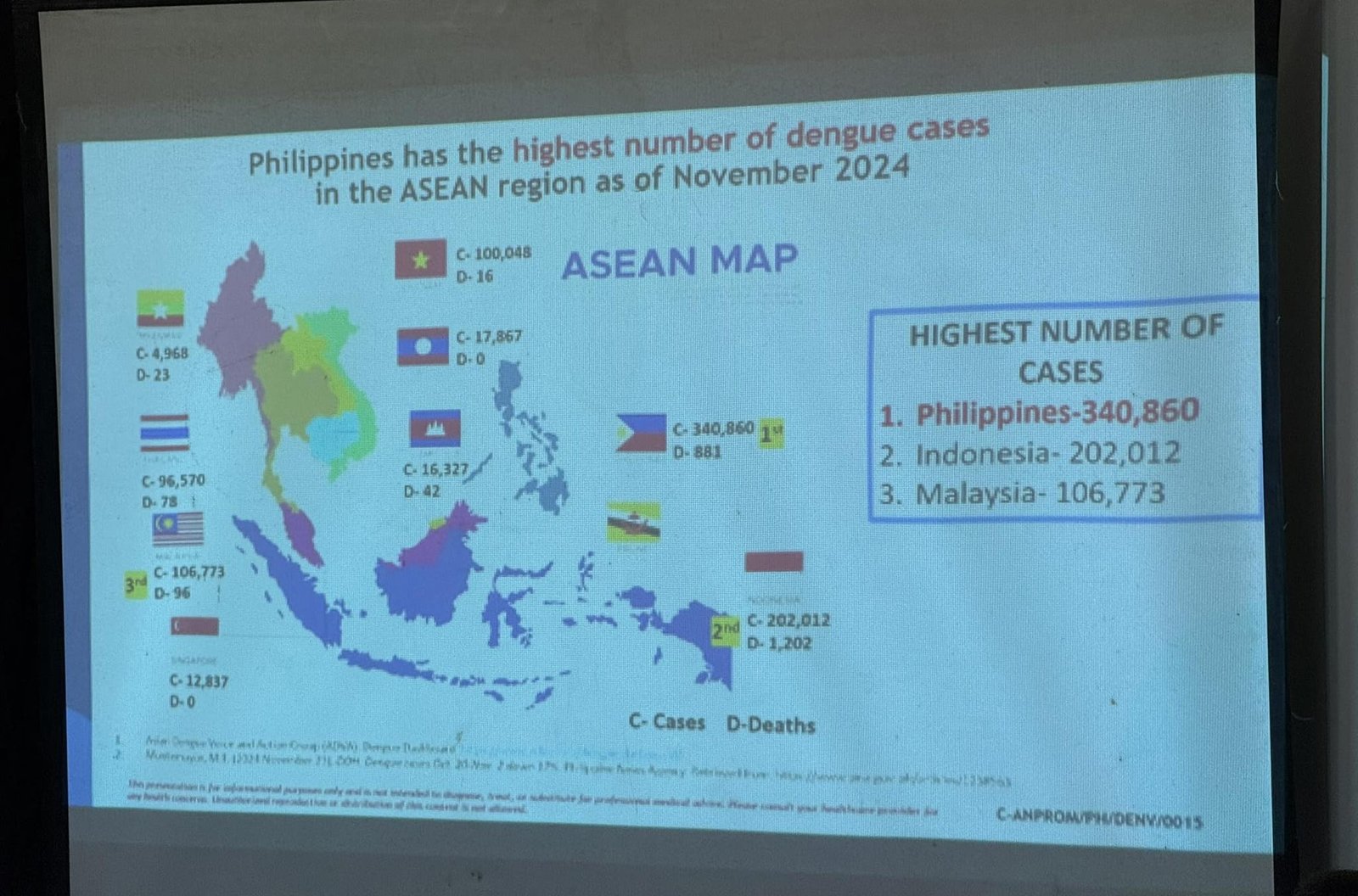
International Acceptance for TAK-003
TAK-003 has received authorization for use in 41 countries worldwide, including the European Union, the United Kingdom, Brazil, Argentina, Indonesia, Thailand, Malaysia, and Vietnam. To date, approximately 20 million doses of TAK-003 have been distributed across 11 dengue-endemic countries.
Takeda continues to broaden global access to TAK-003 through partnerships such as national immunization programs, private payors, and public health coalitions.
Moreover, TAK-003 is also included on the World Health Organization’s list of prequalified vaccines, affirming its compliance with International Standards for quality, Safety, and suitability for use in public immunization programs.