Park Inn by Radisson Bacolod’s Biodiesel Initiative for Circular Economy
Park Inn by Radisson Bacolod’s flagship project is the Biodiesel Initiative, which converts used cooking oil (UCO) into high-grade fuel.
Park Inn by Radisson Bacolod's flagship project is the Biodiesel Initiative, which converts used cooking oil (UCO) into high-grade fuel.
SM Hotels and Conventions Corporation (SMHCC), the owning and managing company of Park Inn by Radisson Bacolod, continues to advance its sustainability agenda. The property strengthens its circular economy initiatives through expanded partnerships and community-driven programs. This development is well-timed, especially as the world faces a global fuel crisis.
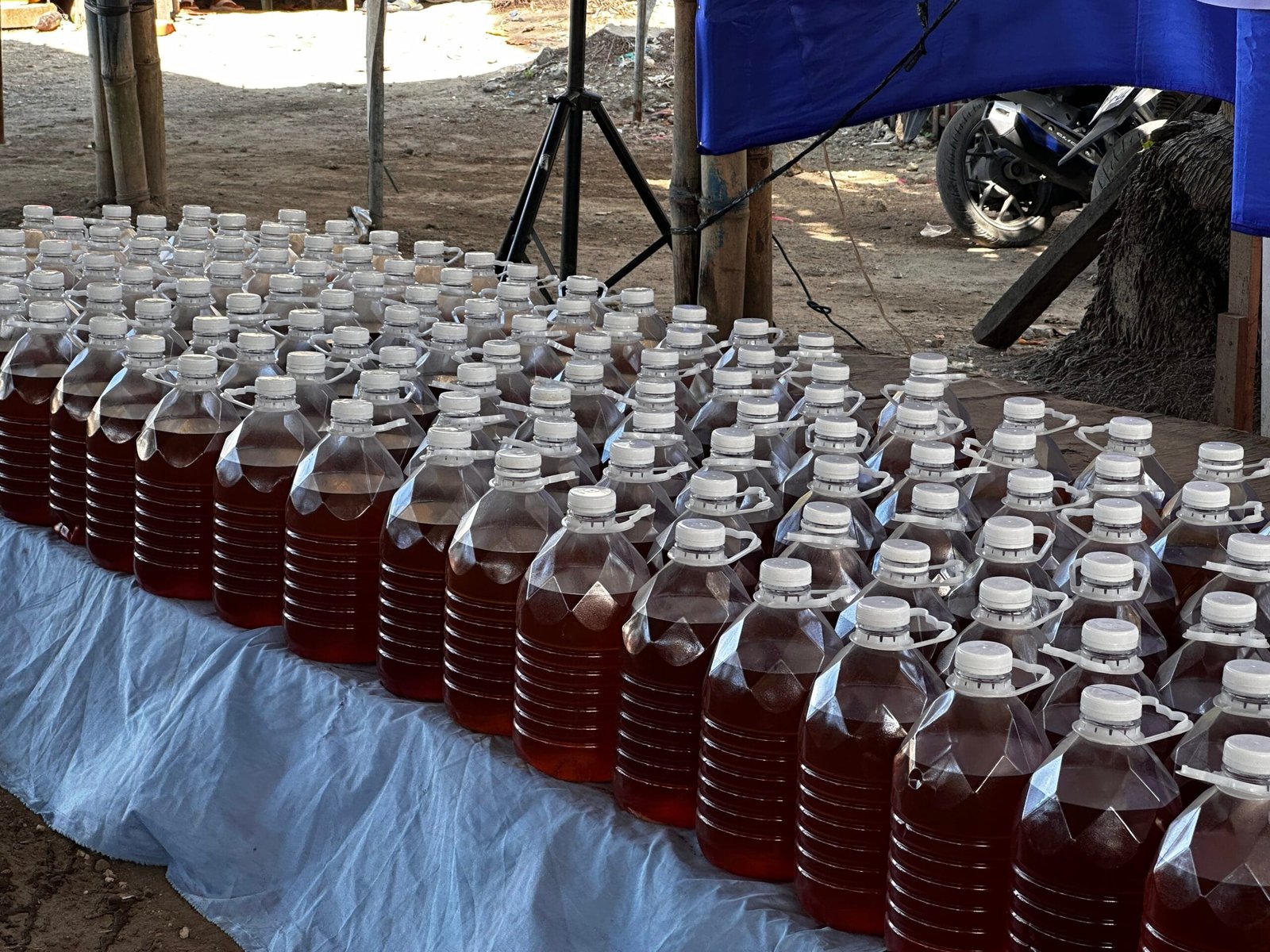
Park Inn by Radisson Bacolod’s Biodiesel Initiative
At a time when global fuel volatility continues to challenge local industries, Park Inn by Radisson Bacolod stands at the forefront of sustainable hospitality. What began in 2024 as a localized waste-to-energy initiative has since evolved into a compelling model of how public-private collaboration can deliver meaningful socio-economic impact.
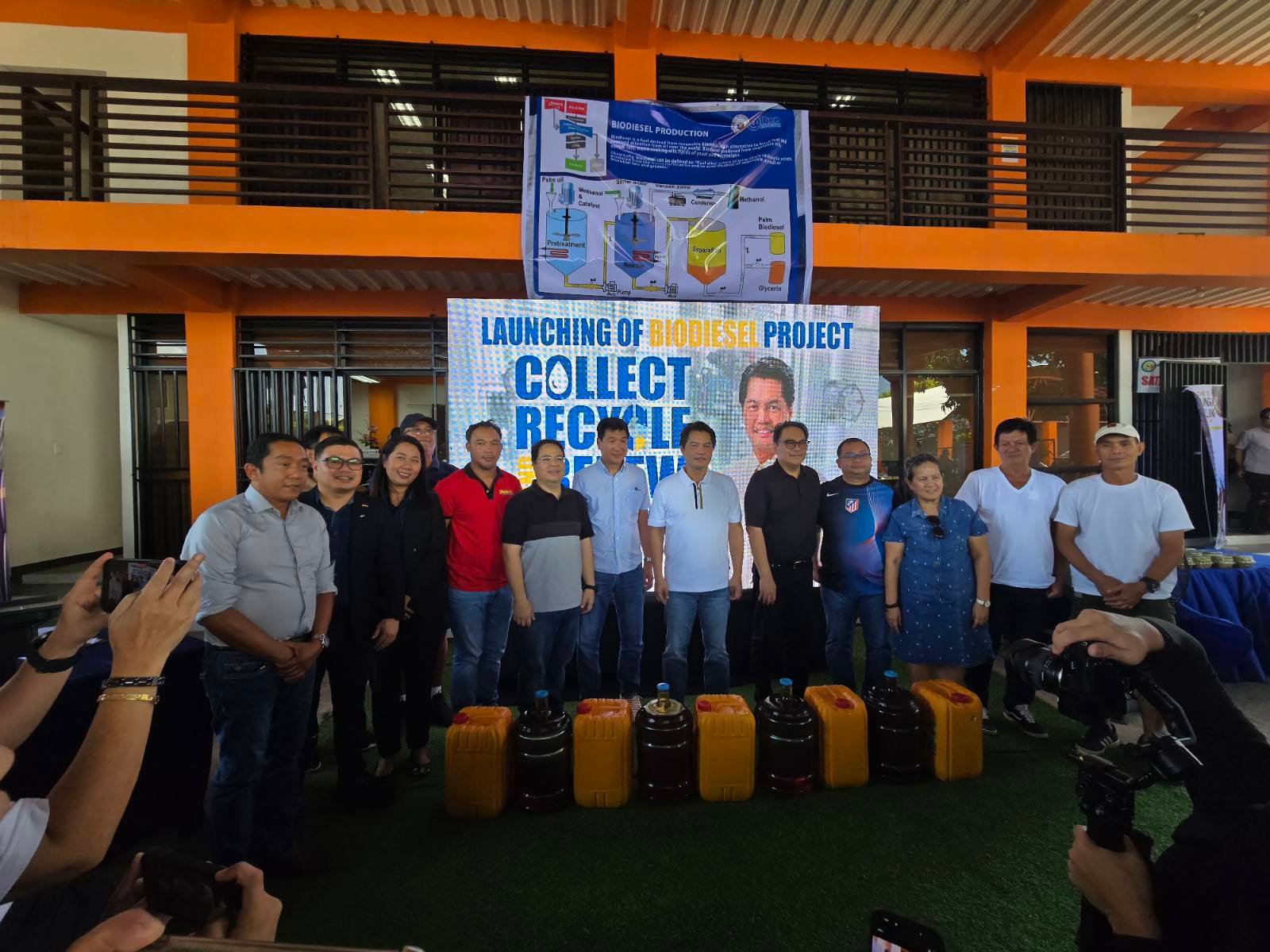
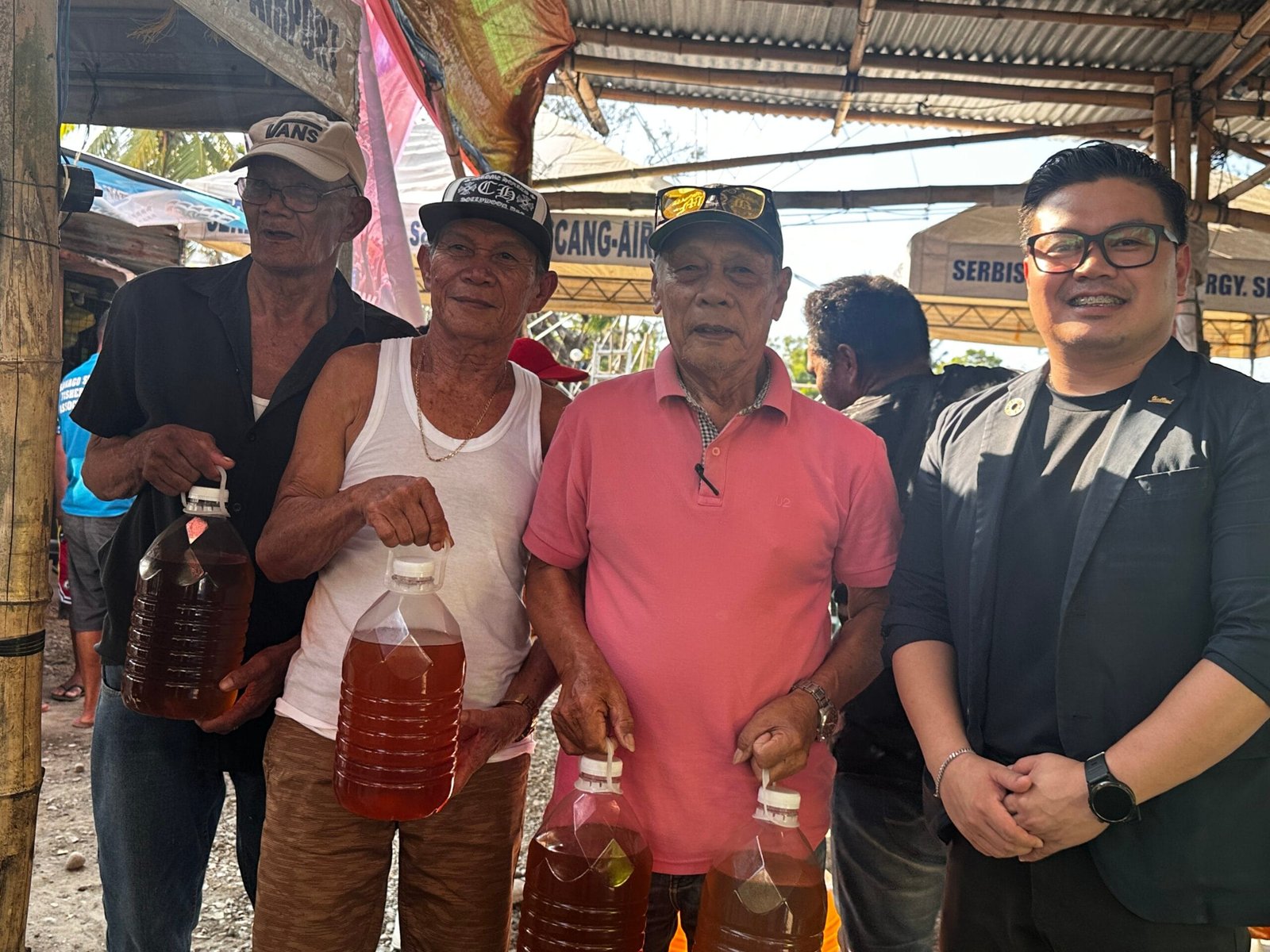
At the heart of this effort is the hotel’s flagship Biodiesel Project, which converts used cooking oil (UCO) into high-grade fuel. In its latest milestone, the property, in collaboration with the Congressional Office of Representative Albee Benitez, donated 200 liters of biodiesel to residents of Brgy. Singcang in Bacolod City.
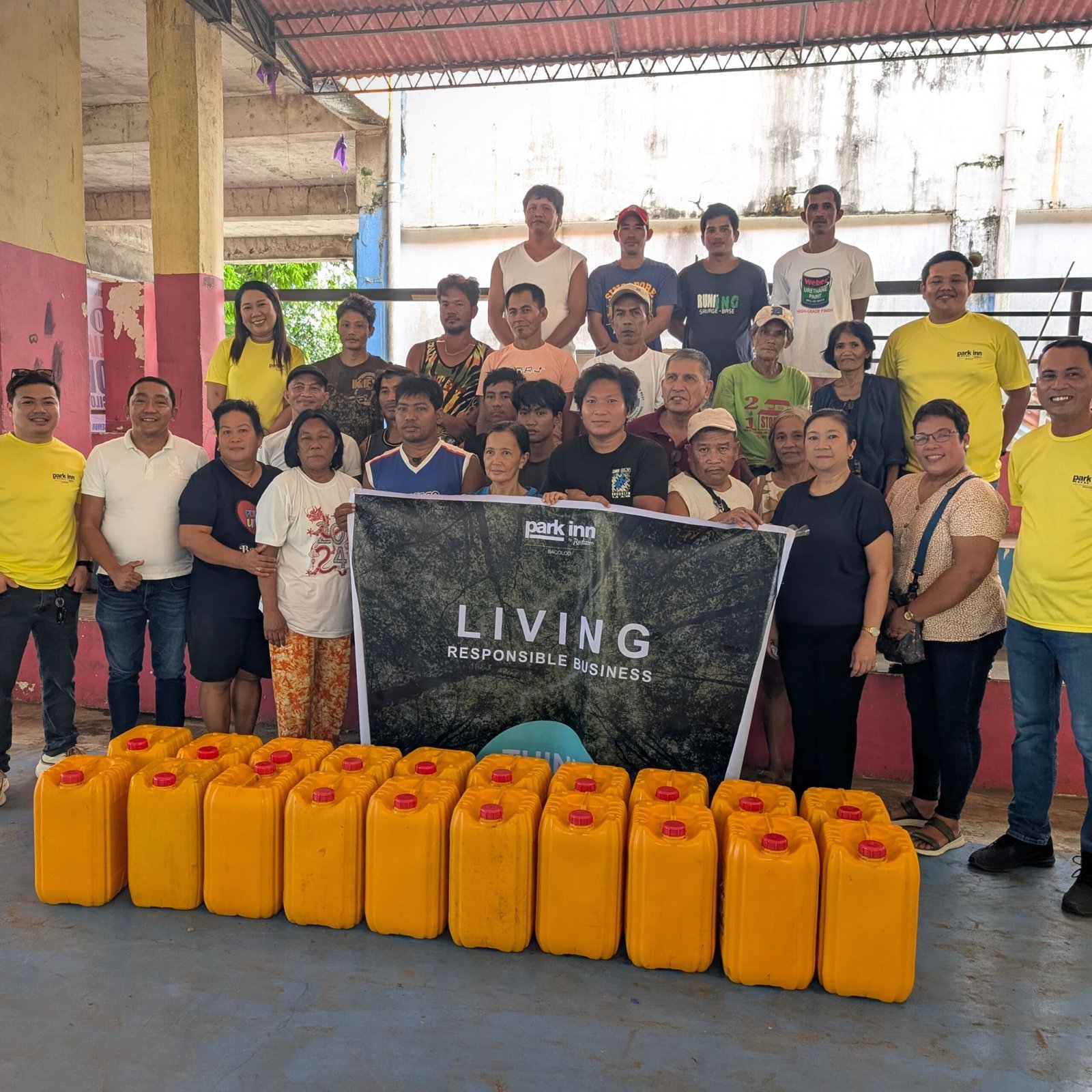
This recent turnover brings the hotel’s total contribution to 2,600 liters of donated fuel since the project’s inception. Based on average production yields, this volume is estimated to support approximately 16 tons of collective catch for local fisherfolk, which provides a vital energy source for livelihoods while helping communities navigate ongoing fuel challenges.
Technical Partnership with Green Solutions
The initiative is supported by a technical partnership with Green Solutions, led by CEO Engr. Ian Fred Solas. His company ensures that collected UCO is efficiently converted into clean-burning biodiesel rather than contributing to environmental waste. This process not only reduces pollution but also reinforces a closed-loop system within the hotel’s operations.
“Sustainability is no longer a choice but a necessity, especially as we navigate the complexities of the global fuel market,” shared Reljun Oloroso, Director of People & Culture and sustainability champion of Park Inn by Radisson Bacolod. “This project demonstrates that through strong partnerships with government and technical experts, we can transform waste into a valuable resource that benefits both communities and the environment.”
At the Panaad sa Negros Festival
Reinforcing Park Inn by Radisson Bacolod’s broader commitment to responsible tourism, the Bacolod City Government has invited the hotel to showcase its circular economy programs at this year’s Panaad sa Negros Festival.
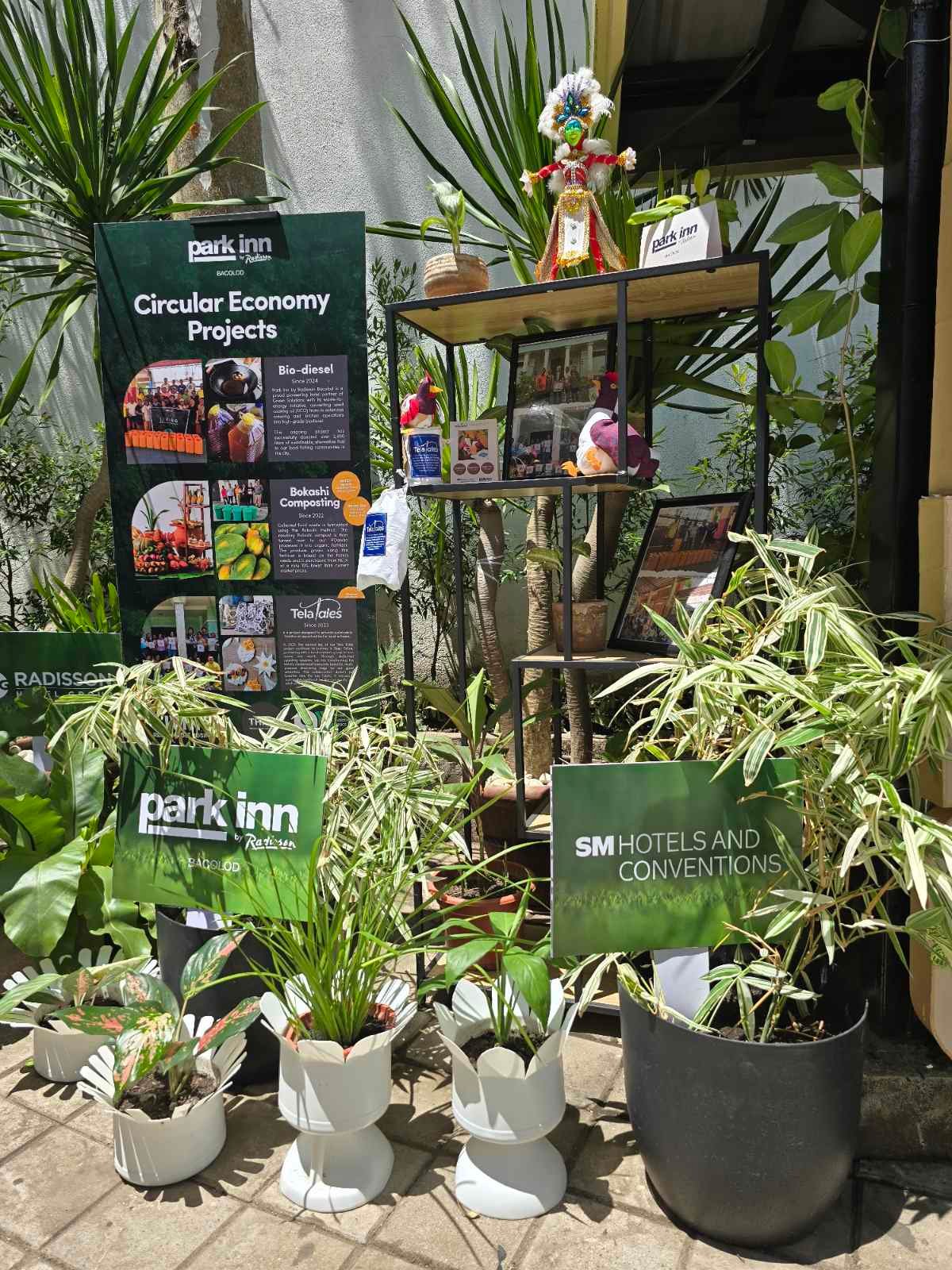
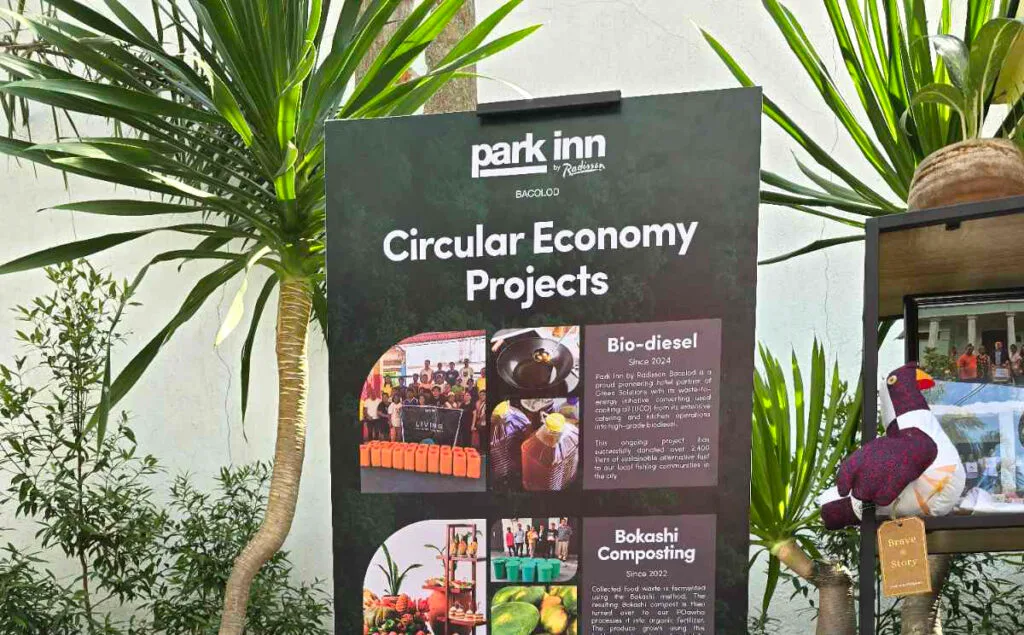
The initiatives were featured at the Bacolod LGU Pavilion, highlighting eco-friendly practices, repurposed materials, and innovative waste management solutions.
Festival visitors were able to explore the hotel’s sustainability ecosystem, which includes:
- The Biodiesel Project: A model for waste-to-energy conversion and cross-sector collaboration
- Tela Tales: A three-year upcycling initiative that transforms retired hotel linens into new products, providing livelihood opportunities for 15 volunteers in Brgy. Felisa
- Bokashi Method: A four-year program that converts organic waste into compost in partnership with the Negros Economic Development Foundation (NEDF). Through a closed-loop system, the hotel supports 55 farmers and has processed over 100,000 kilos of food waste into fertilizer
As the only hotel in Negros currently holding the Hotel Sustainability Basics certification, Park Inn by Radisson Bacolod exemplifies SMHCC’s vision of integrating sustainability into core operations.
“At SM Hotels and Conventions Corporation, we see sustainability as a shared responsibility that extends beyond our properties and into the communities we serve,” said Leah Magallanes, Vice President for Quality and Sustainability at SMHCC. “Initiatives like the Biodiesel Project demonstrate how circular economy practices can create tangible impact, turning everyday operations into opportunities for environmental stewardship and inclusive growth.”
Through these efforts, SMHCC continues to champion a greener, more resilient hospitality industry, where innovation, community engagement, and sustainability go hand in hand.