Brownouts Today, Clean Energy Tomorrow: Can Negros Occidental Become Energy-Resilient?
These rotational brownouts are really inconveniencing everyone. The goal is to have a clean energy system where power interruptions do not need to happen several hours everyday.
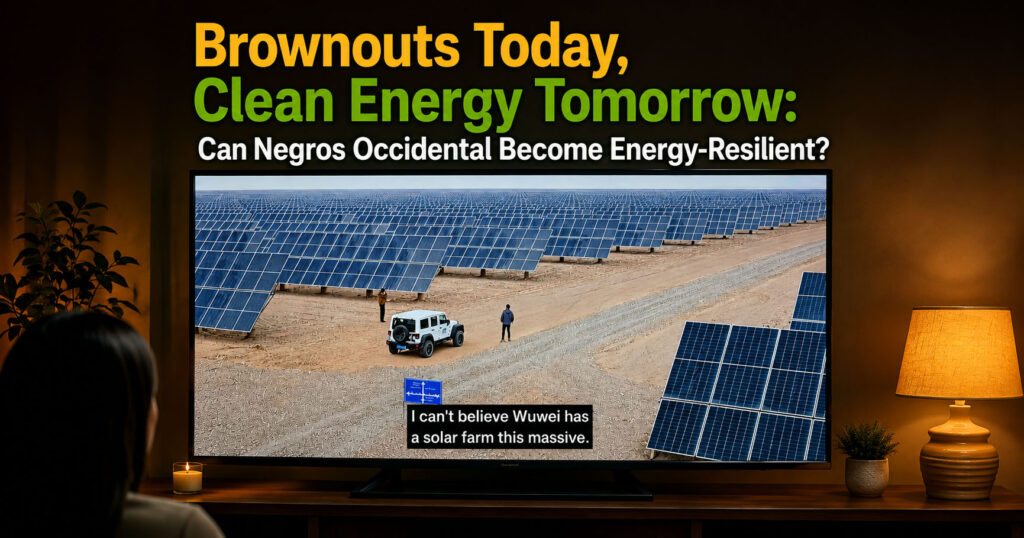
The call to have a clean energy system that is sustainable and can help reduce the brownouts in the Negros Occidental.
Watching the Chinese drama Shine on Me, starring Song Weilong and Zhao Jinmai, made my heart flutter—not only because of the romance, but also because of the expansive solar farms featured in the series.
I found myself wishing we could see something similar replicated here in our own province of Negros Occidental: vast fields of solar panels quietly harvesting the abundant energy of the sun, producing clean electricity for communities and industries.

It may sound like an odd thing to be inspired by while watching a love story. But these days, whenever I check my Facebook, I am reminded why the idea appeals to me.
There is a growing frustration in Central Negros over the rotational brownouts we have been experiencing since May because of Manual Load Dropping (MLD).
The situation is happening because of insufficient power supply in the Visayas Grid, with several generating units unavailable because of outages and rehabilitation. When supply is unable to meet demand, the National Grid Corporation of the Philippines (NGCP) directs distribution utilities to reduce their loads to protect the stability of the entire grid.
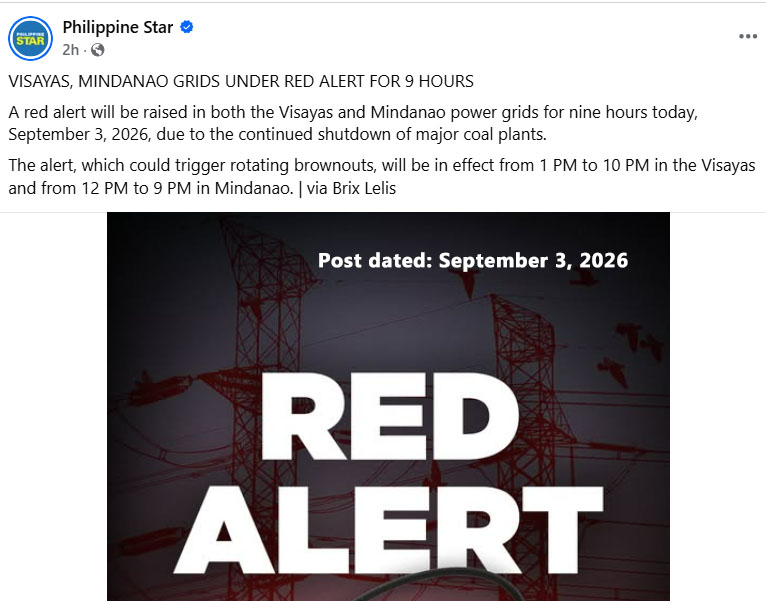
In simple terms, electricity has to be rationed. And consumers are the ones who feel it–calling it winning the unfortunate raffle if their area’s power gets switched off for several hours.
The Inconvenience of Brownouts
Some consumers understand that manual load dropping is necessary when available generation is insufficient to meet demand. They understand that it is intended to prevent an even bigger and potentially uncontrolled power failure. But most don’t, hence the rants against the distribution utility.
But there is a question that is becoming increasingly difficult to ignore:
How long are the consumers going to suffer from these rotational brownouts?
For households, a brownout can be more than an inconvenience, like my friend who is asthmatic but couldn’t even use a nebulizer. In business, it can mean lost sales, interrupted production, spoiled goods, and disrupted operations. For students, it can mean losing precious study hours. For people working from home, it can mean a dropped video conference or an entire afternoon of lost productivity.
Furthermore, for those running businesses that depend on electricity, the consequences can be even more costly.
And when interruptions happen repeatedly, frustration inevitably turns into anger.
There is an important distinction between a regular scheduled brownout and manual load dropping. The problem is that consumers do not experience that technical distinction.
When the power goes out, everything powered by electricity simply stops.
Consumers want a long-term solution where they do not have to experience power interruptions everyday.
And that brings us to a much bigger question:
Being in the retail business sector, I ask: What are we doing to make Negros Occidental less vulnerable to power shortages in the first place?
Clean Energy and the Need for Sustainable Solutions for the Long Haul
The conversation needs to move beyond the immediate frustration of brownouts.
The fact that the current problem is largely caused by a shortage of available generation does not mean there is nothing we can do locally. In fact, there are already signs that Bacolod City and Negros Occidental are beginning to move toward a very different energy future.
And that future increasingly involves clean energy.
More households and commercial establishments in Negros Occidental are installing solar panels to augment, if not completely supply, their daily electricity needs.
I personally know of three friends who have invested in rooftop solar panels and are now generating enough electricity for their households to achieve virtually zero electricity billing.
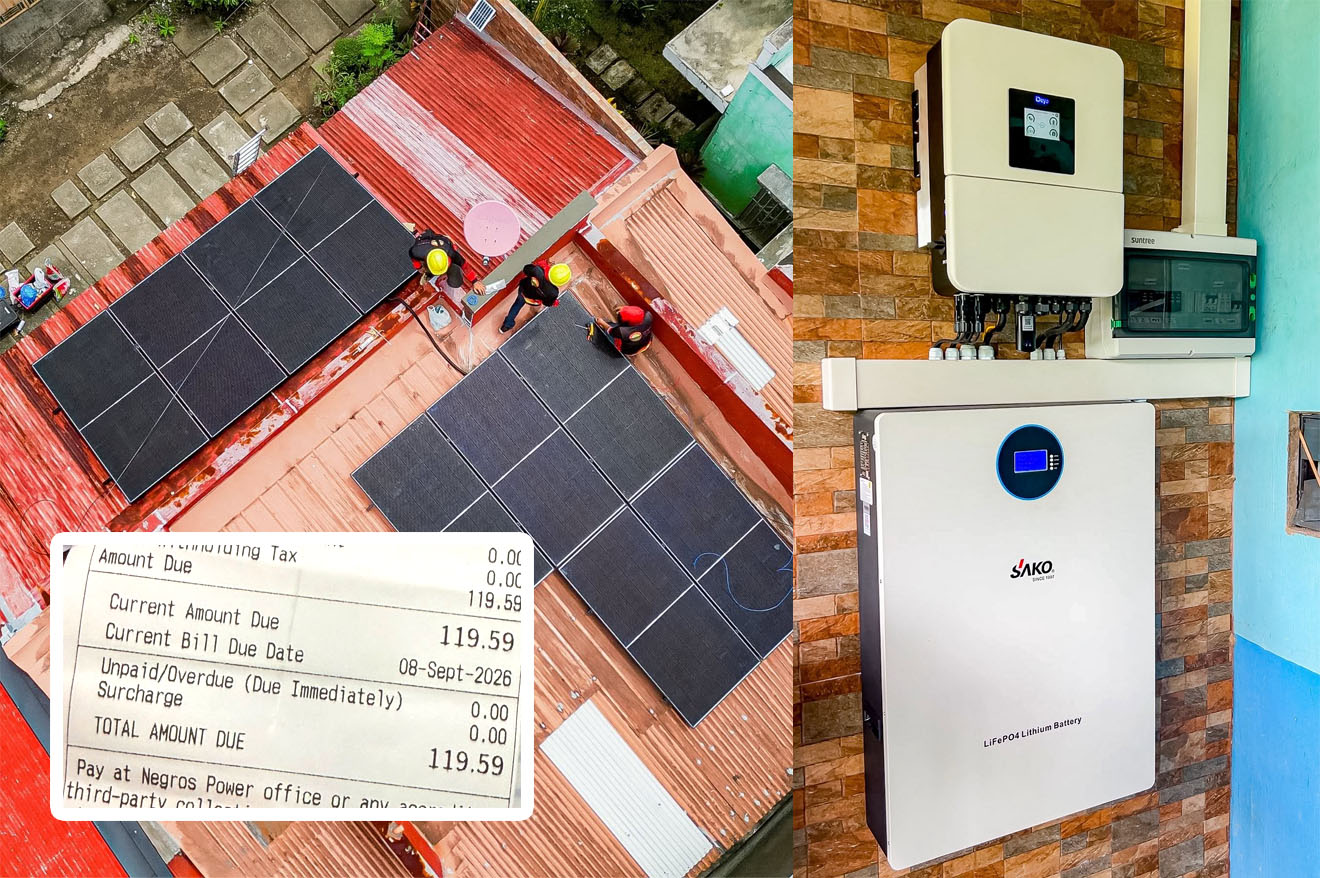
That is impressive and also makes me wonder:
What if more homes, businesses, government buildings, and industries in Negros could do the same?
What if the province could combine hundreds of thousands of rooftop solar installations with large-scale solar farms, geothermal power, energy storage, and a modernized distribution network?
Perhaps then we would not simply be producing more electricity–we would be building a more resilient energy system.
Clean Energy Is Good for the Environment
The push for clean energy should not be viewed simply as an answer to brownouts. It is also about the kind of province we want Negros Occidental to become.
Thankfully, our provincial governor has been pushing for greater energy security and a transition toward renewable energy, particularly as the province is looking to attract more investments and provide sustainable power for its growing economy.
That is important for Negros Occidental. Our province is blessed with agricultural land, mountains, forests, rivers, and coastal communities. Much of our livelihood and quality of life is tied to the health of our natural environment.
For me, this is one of the most compelling arguments for renewable energy.
I would like to see our Negros Occidental not simply producing electricity but actually deciding what kind of environment we want our children to inherit.
Clean Energy Can Also Make Economic Sense
There is another compelling reason to make the transition: Clean energy can help lower our family’s monthly expenses.
Solar panels do not need fuel deliveries every morning. The sun provides the energy that is free to harness. Meanwhile, locally sourced geothermal power is not directly affected by dollar fluctuation that influences imported fossil-fuel prices.
A more diversified renewable energy portfolio can therefore help reduce exposure to volatile world fuel prices and provide greater stability over the long term.
For households and businesses that install rooftop solar and participate in net metering, the benefits can be even more direct. They can generate some of their own electricity, reducing the amount they need to purchase from the grid.
The solar panels may require a significant investment at the beginning, but once installed, the energy source itself—the sunlight—is free.
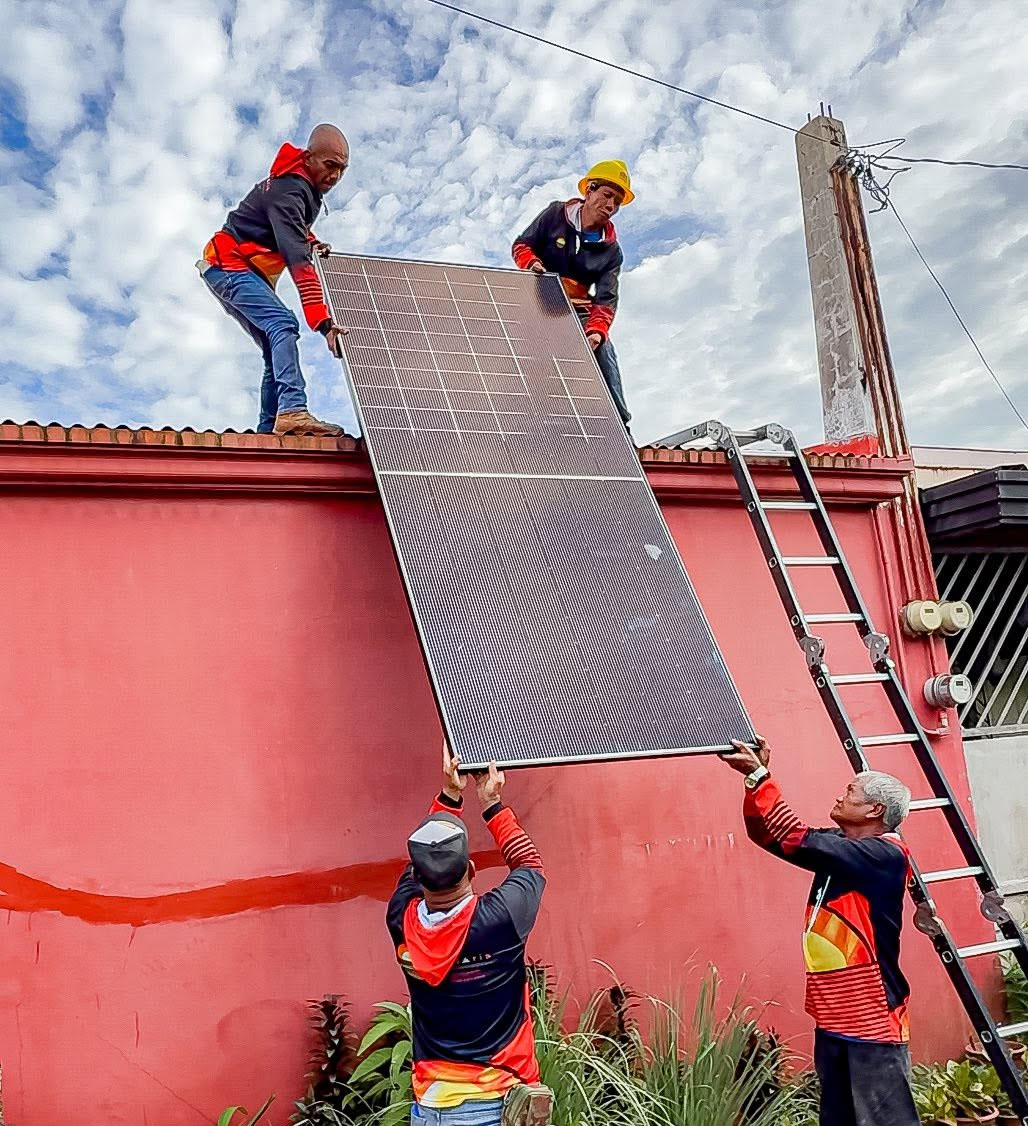
Saving Up for Our Own Solar Shift
Our own family lives in a commercial area, and we consume a considerable amount of electricity because our building houses both our business and our residence.
Logically, we want to shift to solar power to augment our electricity supply. But there is a reality that many households and businesses like ours face–the initial investment is not a joke.
With our level of consumption, we would need a substantial amount for solar installation.
That means saving up big time to cough up the money for the initial investment. Hopefully, by next year, we will have enough budget to make that shift. It would be a practical decision for us because it could eventually help lighten our monthly electricity expenses. But more than that, I like the idea that the electricity generated on our roof would be coming from the sun and not generated somewhere.
The Ripple Effect of Lower Energy Costs
Lower energy expenses can create a ripple effect throughout the economy.
A family that spends less on electricity has more extra money to spare that they can use for food, education, healthcare, other necessities—and perhaps even some of the things that simply make life more comfortable.
A small business that reduces its electricity expenses has the leeway to make operational decisions because of the extra savings.
For larger companies, access to reliable renewable energy can also become a factor in deciding where to locate investments.
So, the clean-energy conversation should not be reduced to solar panels and carbon emissions. It should resonate for a better quality of life for our families.
The Province of Negros Occidental is Already Moving
This is where the efforts of the provincial government become important.
The SecuRE Negros initiative seeks to strengthen the province’s energy security while promoting renewable energy and encouraging stakeholders to work toward a more sustainable energy future.
The provincial government has also moved to put renewable energy into its own facilities, including solar installations at government properties. Its efforts are also complemented by developments in Bacolod City.
The Future We Want to See
Negros Occidental does not have to remain merely a consumer of electricity produced elsewhere. With our solar potential, geothermal resources, agricultural economy, and growing interest in renewable-energy investments, the province has the opportunity to become a significant clean-energy producer.
When I watched those expansive solar farms in Shine on Me, I was initially thinking about the awesome developments in China. But maybe, in our case, it could be an entire solar farm network planted on each rooftop. I am also hoping that we will someday have government support in the form of loans, subsidies, and tax refunds when making the shift to use clean energy so it becomes easier for ordinary citizens to make the choice.
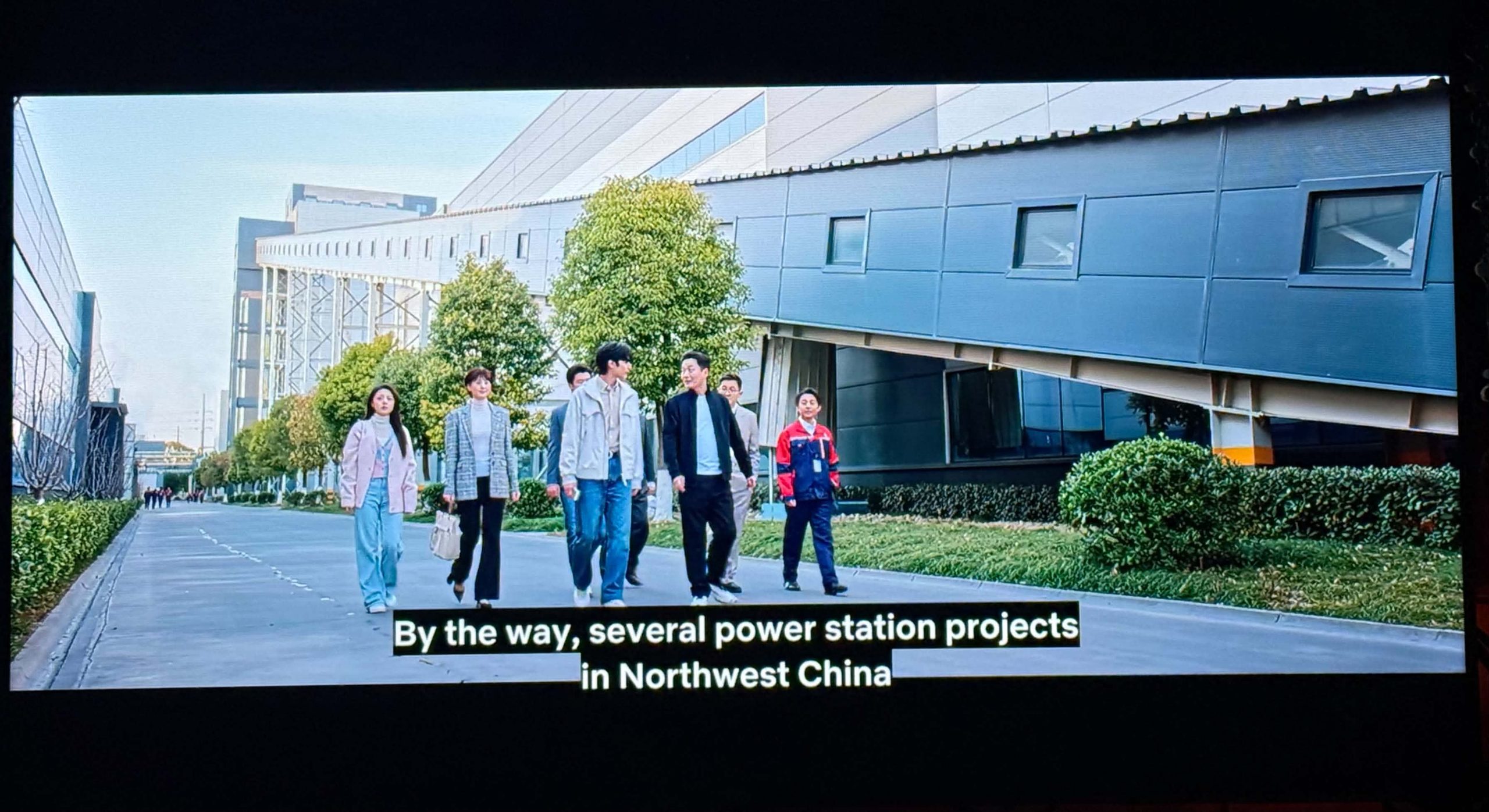
That is something I would love to see here in Negros Occidental: not just scattered solar panels, but a genuine clean-energy landscape. If we can build that future, the brownouts we are enduring today could become a turning point to find sustainable and cleaner solutions to our current problems.
Ultimately, the goal should not simply be to get through the next manual load dropping or wait impatiently for the lights to come back. The goal is to have an energy system where power interruptions do not need to happen several hours everyday.





I can really relate to this, especially the part about how brownouts affect not just homes but also businesses and everyday routines. Sana nga we can move toward a more resilient energy system where clean energy becomes a bigger part of the solution.
Agree. Hanggang hope na lang ba tayo?